
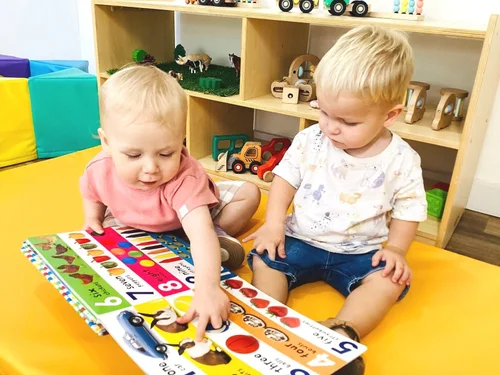
Baby Room
Secure, responsive beginnings.
Baby Room enrolments from 12 months.
At Balgowlah Early Learning, we welcome enrolment enquiries for children from 12 months of age. Our Baby Room provides warm relationships, responsive routines and a gentle pathway into early learning, subject to current availability and each child’s individual enrolment arrangements.
What this means in practice
What families can look for in the Baby Room.
Responsive care is visible in how educators notice cues, stay emotionally available and build predictability around each child.
Secure relationships
Educators respond calmly and consistently so trust can grow over time.
Gentle routines
Rest, meals, nappy changes and transitions are approached with respect, communication and patience.
Early communication
Sounds, gestures, expressions and emerging words are noticed, answered and extended.
Emotional safety
Comfort cues and family knowledge help educators support regulation and belonging.
Purposeful exploration
Sensory, movement and object experiences invite curiosity without rushing development.
Family continuity
Specific updates help families understand how their child is settling, participating and growing.
Capabilities children build
Growth that matters now—and through the transition to school.
Settling and continuity
A beginning shaped around your child.
A strong start is built through close communication, familiar cues and educators who respond thoughtfully as trust develops.
Familiar cues and rhythms
Families can share comfort cues, routines, feeding and sleep information, and the ways their child communicates so educators can plan a more familiar start.
Responsive observation
Educators notice gaze, gesture, sound and movement, then respond with language, reassurance and experiences that match the child’s emerging interests.
Co-regulation first
Warm, predictable responses help children borrow an adult’s calm while their own capacity for self-regulation is still developing.
Learning through relationship
Conversation, sensory play, movement and shared attention support communication, curiosity and confidence from the earliest stages.
Family continuity
Useful updates connect what educators notice at BEL with what families are seeing at home, so care remains joined up.
Thoughtful transitions
When children are ready for their next room, information about relationships, routines, strengths and current interests travels with them.
Tell us what helps your child feel safe.
Share routines, comfort cues, sleep and feeding information, communication and previous care experience so the team can plan a thoughtful start.