
Preschool in Balgowlah
Preschool in Balgowlah
A warm, play-based preschool program within Balgowlah Early Learning, supporting children to grow the communication, self-regulation, thinking, social confidence and independence they need for school—and for life.
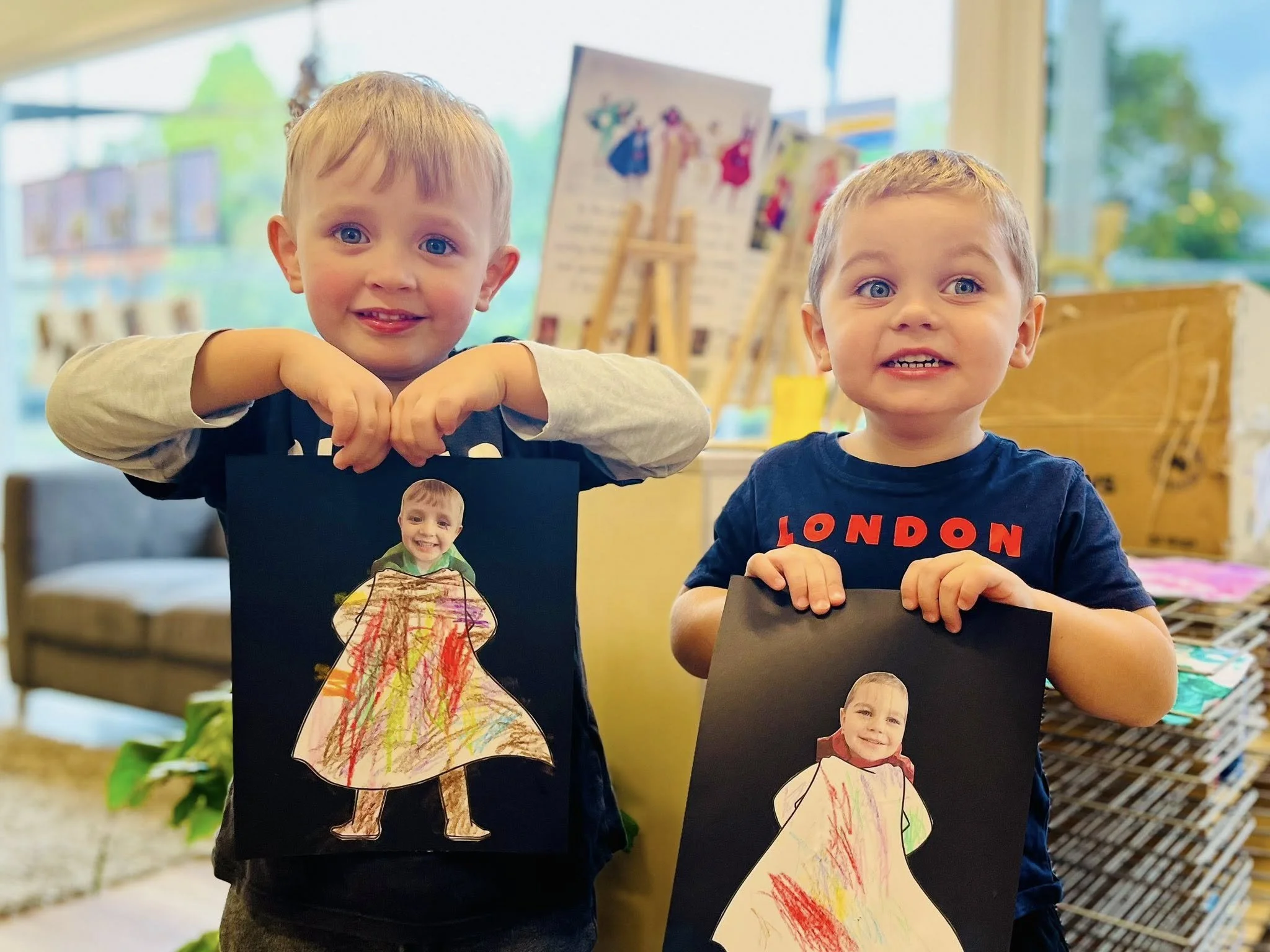
Our preschool program
Purposeful play, thoughtful teaching and meaningful participation.
Our educators plan from children's interests, questions and emerging capabilities. Through projects, stories, creative work, movement, conversation, routines and group experiences, children practise the behaviours that help them take part, solve problems and keep learning.
Child voice and inquiry
Children's questions and theories shape conversations, resources and longer investigations.
Literacy and numeracy
Language, symbols, quantities, patterns and measurement appear in real, useful play.
Everyday independence
Children make choices, care for belongings, contribute to routines and take growing responsibility.
School readiness
Capabilities that matter now—and through the transition to school.
Readiness is more than letters, numbers or a checklist. We look at how children communicate, plan, remember, regulate feelings, collaborate, persist and see themselves as capable learners.
Communication
Explaining ideas, listening, asking questions and using language for real purposes.
Executive function
Planning, working memory, flexible thinking, attention and problem-solving.
Self-regulation
Growing strategies for feelings, transitions, waiting, persistence and returning to learning.
Social competence
Cooperating, negotiating, showing empathy, repairing relationships and leading with care.
Confidence as a learner
Wondering, trying, making choices, revising ideas and approaching challenge with support.
Thoughtful transition
Sharing strengths, dispositions and useful supports so each child's next step is understood.
CARES and DOSe
A clear way to see and discuss your child's learning.
CARES connects the program, educator observations and real examples of progress. It helps families understand not only what children did, but which capability was growing and how learning can be extended.
What CARES means
Capabilities children are developing; the Areas where learning happens; meaningful Records; real Evidence of Learning; and each room's Signature Room Identity.
This keeps the whole child in view and gives educators and families a shared language for growth.
How DOSe makes learning visible
- Display what children are exploring.
- Observe closely and notice change.
- Speak with children and families.
- Share Evidence of learning and progress.
Family partnership
Families should be able to see the learning behind the day.
Families know their children deeply. Educators listen to your goals, routines, culture, questions and school-transition priorities, then share specific observations, children's words, photographs and reflections. Together, we can recognise progress and decide what may help next.
A Balgowlah preschool legacy
Established in 2002. Continuing at Balgowlah Early Learning.
Balgowlah Preschool was established in 2002 and operated from 429 Sydney Road, Balgowlah. In April 2025, Balgowlah Preschool moved and merged into Balgowlah Early Learning at 472 Sydney Road.
Its preschool legacy continues within today's Balgowlah Early Learning community. The current operating centre is Balgowlah Early Learning, 472 Sydney Road, Balgowlah.
See preschool readiness in real relationships, play and behaviour.
During a tour, we can connect your questions with the program, the five capabilities, CARES, DOSe and real examples of educator planning and learning evidence.